
Retaining Wall Design & Installation
Engineered retaining walls that control erosion, create usable space, and add lasting value to your property with proper drainage and structural design.
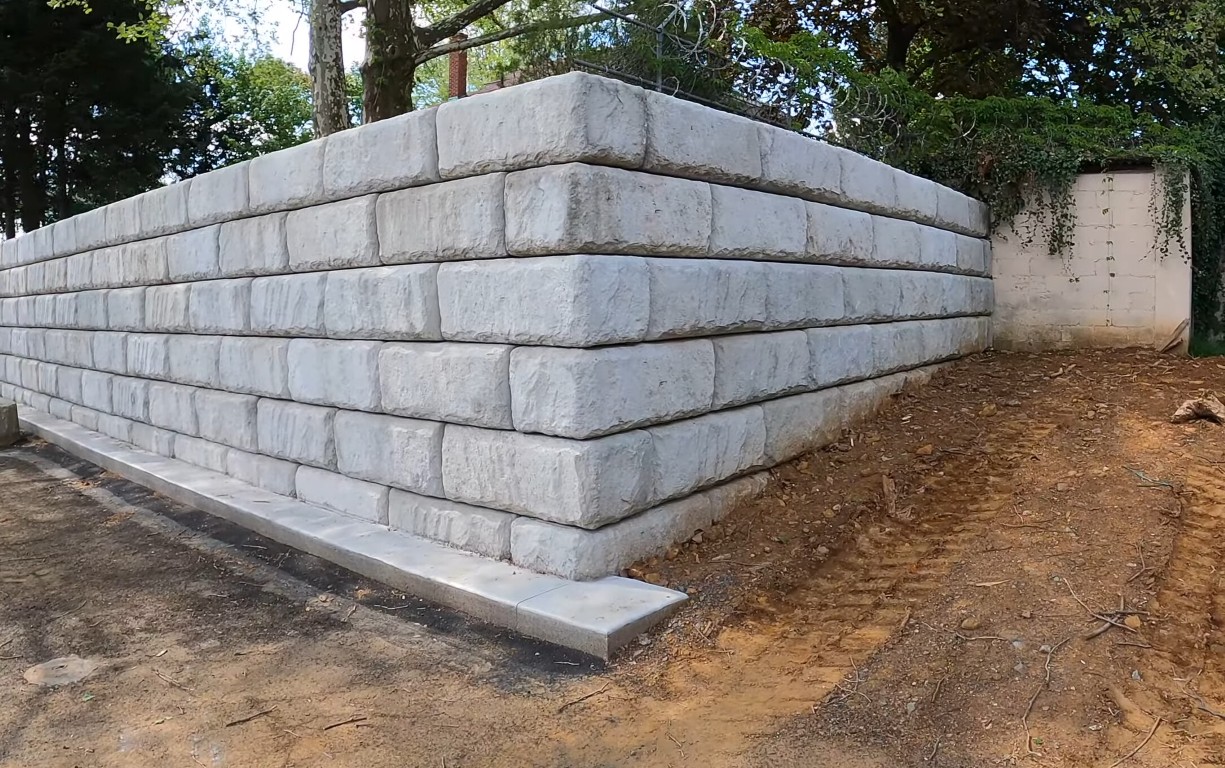
The Critical Role of Properly Built Retaining Walls
Retaining walls hold back thousands of pounds of soil, which makes them serious structural projects that require proper engineering and construction. A well-built retaining wall transforms sloped yards into level, usable outdoor living areas while preventing erosion and protecting foundations. These structures also add significant property value by increasing functional space and improving drainage patterns that would otherwise cause foundation problems. We design and build retaining walls that do all this work safely for decades.
The biggest challenge with retaining walls is managing water pressure behind the wall. Soil naturally absorbs water when it rains, and that saturated soil weighs far more than dry soil. Without proper drainage systems built into the wall, water pressure builds up and pushes the wall forward until it fails. We see this all the time with DIY retaining walls and work done by landscapers who do not understand masonry engineering. Every retaining wall we build includes comprehensive drainage systems that prevent this pressure buildup.
Springfield soil conditions create specific challenges for retaining wall construction. Our clay-heavy soils expand significantly when wet and shrink when dry, which puts cyclical stress on retaining wall structures. We account for these soil characteristics in our wall designs and use construction methods proven to work in local conditions. This local expertise matters because retaining wall techniques that work great in other regions can fail quickly here if you do not adjust for our specific soil types. Any experienced retaining wall contractor should account for regional soil before breaking ground. Visit our main page to learn more about our masonry expertise.
What Makes Retaining Walls Fail
- Inadequate or missing drainage systems allowing water pressure buildup
- Insufficient foundation depth for the wall height and soil type
- Wrong materials for the specific application and load requirements
- Poor soil preparation and compaction behind the wall during construction
- Missing or inadequate base materials providing unstable foundation
- Improper batter angle causing the wall to lean forward over time
- No reinforcement in walls exceeding safe height limits
- Freeze-thaw damage in walls built without proper caps or drainage
Choosing the Right Design and Materials for Your Wall
Natural stone retaining walls offer timeless beauty and incredible durability when built properly. We use locally sourced stone that matches Springfield's architectural character and weathers beautifully over time. Dry-stacked stone walls rely on precise fitting and gravity to stay in place, while mortared stone walls provide additional strength for higher applications. Natural stone costs more upfront but lasts for generations with minimal maintenance. The rustic, organic appearance fits perfectly with traditional and contemporary landscape designs.
Concrete block retaining walls provide excellent strength and versatility at moderate cost. Modern segmental retaining wall blocks come in numerous styles, colors, and textures that can mimic natural stone or create contemporary looks. These engineered blocks include built-in setback angles and interlock patterns that make them structurally superior to older concrete block designs. We use geogrid reinforcement with taller block walls to handle heavy loads safely. The modular nature of block systems also makes future repairs or modifications easier if your needs change.
Brick retaining walls work well for lower height applications where appearance is a priority. Brick blends naturally with existing brick homes and creates formal, finished looks that complement traditional architecture. We build brick retaining walls with proper foundations, drainage, and tie-backs into the hillside for stability. The smaller size of bricks allows more design flexibility for curves and decorative patterns. Brick does require more maintenance over time compared to stone or block, but many homeowners prefer the refined appearance brick provides.
Your wall design must account for the specific conditions of your property. Soil type, slope angle, drainage patterns, intended use of the retained space, and local building codes all influence design decisions. We evaluate these factors during our site consultation and recommend solutions that work for your situation and budget. Some properties need multiple terraced walls instead of one tall wall, while others benefit from combining retaining walls with other drainage improvements. Check out our related brick masonry services for additional property enhancement options.
How We Build Retaining Walls That Last
Proper retaining wall construction starts below ground with excavation and foundation work. We dig deep enough to get below the frost line, which prevents frost heave from destabilizing the wall. The foundation trench gets filled with compacted gravel that provides drainage and a stable base that will not shift over time. This foundation work is not visible in the finished wall, but it makes the difference between walls that last and walls that fail. Shortcuts here lead to expensive problems later.
Drainage systems are built into every wall we construct. We install perforated drain pipes behind the wall at the base, surrounded by gravel that filters water to the drains. This system intercepts water before it builds up pressure against the wall. Weep holes or drainage gaps in the wall face provide additional drainage paths. Some projects need more elaborate drainage including surface water redirection and French drains to handle heavy runoff. We design drainage systems appropriate for your specific site conditions and local rainfall patterns.
Wall construction proceeds in careful stages with proper compaction and backfilling at each level. We use appropriate backfill materials, not just whatever dirt came out of the excavation. Each lift of backfill is compacted properly before the next level of wall goes up. This methodical approach prevents settling problems that cause walls to lean or crack. For taller walls, we install deadman anchors or geogrid reinforcement that ties the wall structure deep into the retained soil mass for additional stability.
Finishing touches include caps that protect the top of the wall from water penetration and proper grading that directs surface water away from the wall. We clean up construction debris thoroughly and restore landscaping where our work disturbed it. You get detailed information about caring for your new wall including when you can safely landscape behind it and what maintenance to perform. Our retaining walls come with our workmanship warranty and the knowledge that they are built to last through decades of Missouri weather. Learn about our patio installation services to complete your outdoor living space.
Frequently Asked Questions About Retaining Walls
Ready to Build Your Retaining Wall?
Get a free site evaluation and estimate. We design and build retaining walls engineered for long-term performance.
(417) 895-7147