Tuckpointing & Repointing Services
Expert tuckpointing and repointing that seals out water, strengthens your masonry, and adds decades to the life of your brick and stone structures.
What Tuckpointing and Repointing Actually Mean
Most people use tuckpointing and repointing interchangeably, but they are technically different processes with the same basic goal of restoring mortar joints. Repointing is the general term for removing old deteriorated mortar and installing fresh mortar in the joints. Tuckpointing is a specific decorative technique where you use two colors of mortar to create thin contrasting lines that make joints appear perfectly straight and crisp. In practice, when people say tuckpointing, they usually mean repointing. We use whichever term you are comfortable with.
The mortar between your bricks does critical work. It seals out water while allowing walls to breathe and flex with temperature changes. Over time, weather exposure breaks down mortar through freeze-thaw cycles, UV damage, and simple erosion. When mortar deteriorates past a certain point, it stops protecting your bricks and actually holds moisture against them, which accelerates damage. Proper repointing removes the bad mortar completely and replaces it with fresh mortar mixed to the right strength for your specific masonry.
Timing matters with mortar repair. You want to repoint when mortar has deteriorated but before bricks start suffering damage. The sweet spot is when joints are crumbling or recessed about a quarter inch or more from the brick face. Wait too long and water intrusion damages bricks, which turns a mortar repair into a much more expensive brick replacement project. We help you understand where your masonry is in this process and what timeline makes sense for your property. Visit our home page to learn more about comprehensive masonry maintenance.
Signs Your Mortar Needs Professional Attention
- Mortar that crumbles easily when you press it with your finger
- Deep cracks or gaps in mortar joints allowing water penetration
- White powdery deposits on brick surfaces from moisture damage
- Recessed mortar joints where material has eroded away
- Loose or shifting bricks caused by deteriorated mortar
- Water stains or dampness on interior walls behind exterior masonry
- Plant growth or moss in mortar joints indicating constant moisture
How We Restore Your Mortar Joints Properly
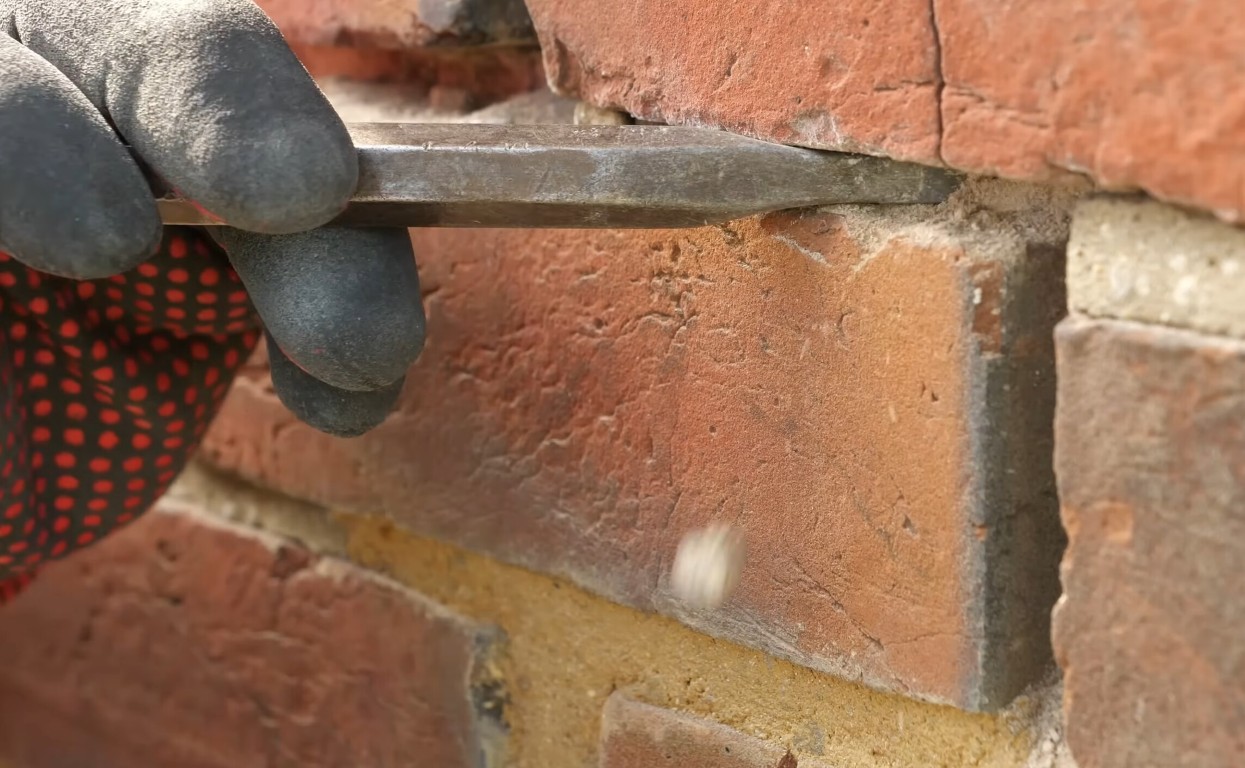
Professional repointing starts with proper mortar removal. We use grinders and hand tools to cut out old mortar to a depth of at least three-quarters of an inch, often deeper depending on conditions. This depth is critical because shallow repointing fails quickly. We work carefully to avoid damaging brick edges, which is easy to do with power tools in inexperienced hands. The joints must be completely clean with all loose material and dust removed before new mortar goes in.
Mortar mixing is where many contractors go wrong. Modern Type N mortar is too hard for most older brick, which causes the brick to crack instead of the mortar when stress occurs. We test your existing mortar and mix new batches that match the strength, texture, and permeability of the original. This usually means custom mixing with lime-based mortars for historic buildings or softer brick types. The mortar also needs to match your existing color, which we do by adjusting sand types and adding natural pigments when necessary.
Application technique makes the difference between repointing that lasts five years and work that lasts fifty years. We pack mortar firmly into joints in multiple layers, not all at once, which ensures complete filling with no voids. Each layer is allowed to set properly before the next goes in. The final tooling creates the right joint profile to shed water while matching your existing joint style. We keep fresh mortar damp during the curing process because mortar that dries too fast is weak mortar that will fail prematurely.
Cleanup and protection finish the job. We remove excess mortar immediately while it is still workable, then come back with gentle acid washing to clean brick faces without damaging them. Some bricks need protecting from harsh cleaners, so we test first and adjust our methods accordingly. The final result is restored mortar joints that blend seamlessly with your existing work and provide another generation of weather protection. Learn more about our related brick repair services for complete masonry restoration.
Why Repointing Saves You Money Long-Term
Repointing costs money upfront but saves thousands compared to ignoring deteriorating mortar. When mortar fails completely, water gets inside your wall system and causes damage you cannot see from outside. Interior wood framing rots, insulation gets soaked and loses effectiveness, and mold grows in wall cavities. By the time you notice interior damage, the repair bill has multiplied many times over. Catching mortar problems early with professional repointing prevents this expensive cascade of damage.
Energy costs go up when mortar deteriorates because air leaks through damaged joints. Your heating and cooling systems work harder to maintain comfortable temperatures, which shows up in higher utility bills month after month. Proper repointing seals these air leaks and improves your home's thermal performance. Many homeowners notice lower energy bills after repointing work, which helps offset the initial cost over time. The insulation benefit is particularly noticeable in older homes with solid brick walls.
Property value protection is another financial benefit of maintaining your mortar. Buyers and home inspectors look closely at masonry condition because it is expensive to fix after purchase. Homes with deteriorated mortar sell for less or buyers demand credits at closing to cover repair costs. Regular repointing maintenance shows that you care for your property properly, which makes it more attractive to buyers and supports higher resale values. Real estate agents will tell you that well-maintained masonry is a strong selling point.
The structural benefits of repointing extend the life of your entire masonry structure. Bricks last for centuries when properly maintained, but only if the mortar does its job. Failed mortar leads to brick damage, which leads to wall instability, which eventually requires expensive rebuilding. Professional repointing every few decades keeps your masonry stable and functional indefinitely. This is especially important for load-bearing walls and chimneys where structural integrity is critical for safety.
Frequently Asked Questions About Tuckpointing
Ready to Restore Your Mortar Joints?
Get a free estimate on tuckpointing or repointing. We provide expert color matching and long-lasting results.
(417) 895-7147